The Speech (2017 - 2026)
At the center of the room, a microphone swings back and forth –or is it a speaker? It speaks. The floor is yours, someone says. Thank you, someone says, for the privilege of speaking. We’ll have glorious floors, yes nothing is beyond our reach. The text of Barnas’ poem is a reaction to a speech by Donald Trump in 2017, of which the rhythm and cadence stayed with her. What was it that made these words so compelling? To her dismay, Barnas found that the speechwriter employs poetic techniques, so familiar to her, to reinforce his message. By replacing the word “future” with “floor,” she initially sought to expose the abstract, almost hollow quality of the rhetoric. Yet it also produces something else: an invitation to speak.
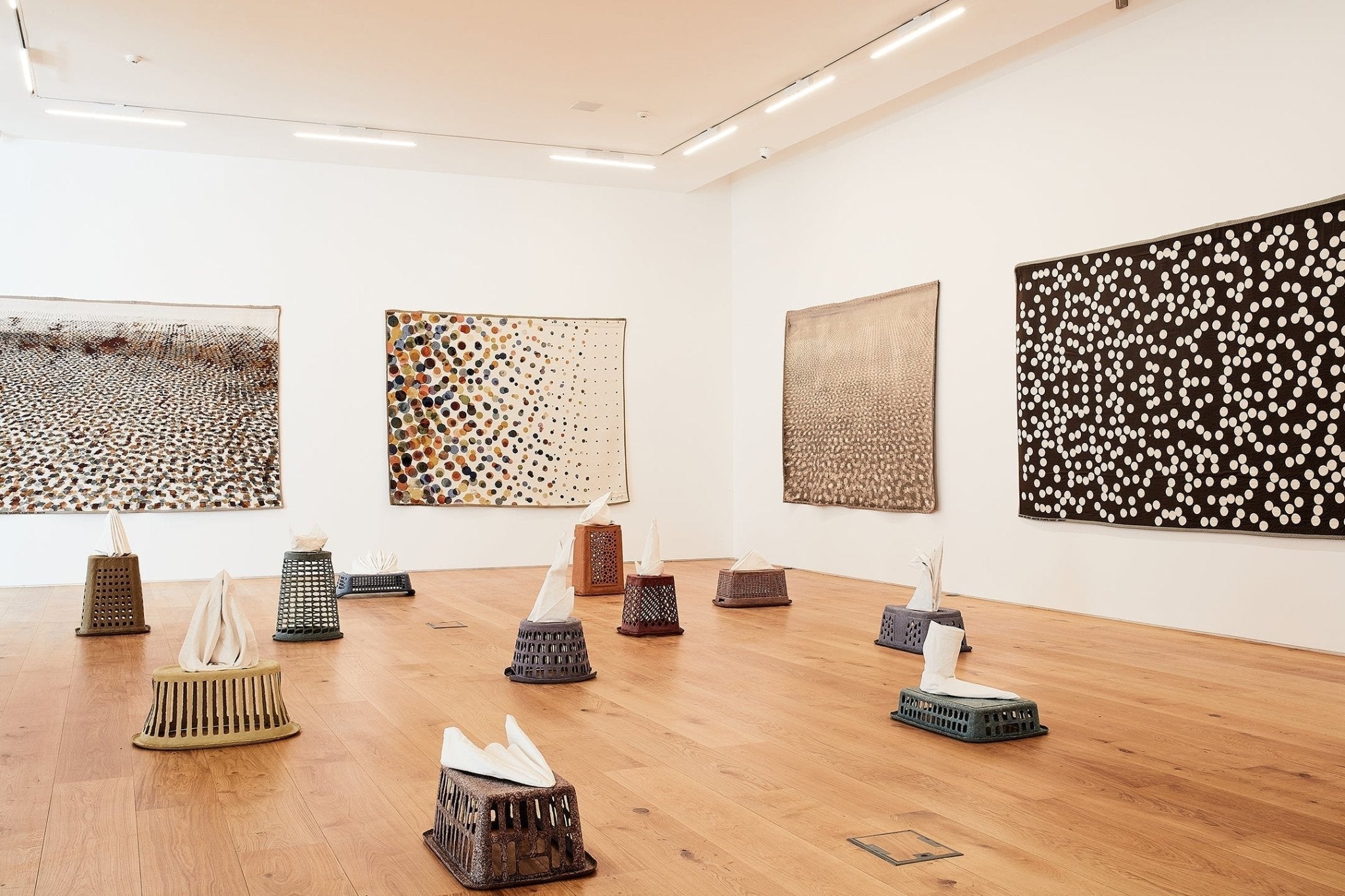
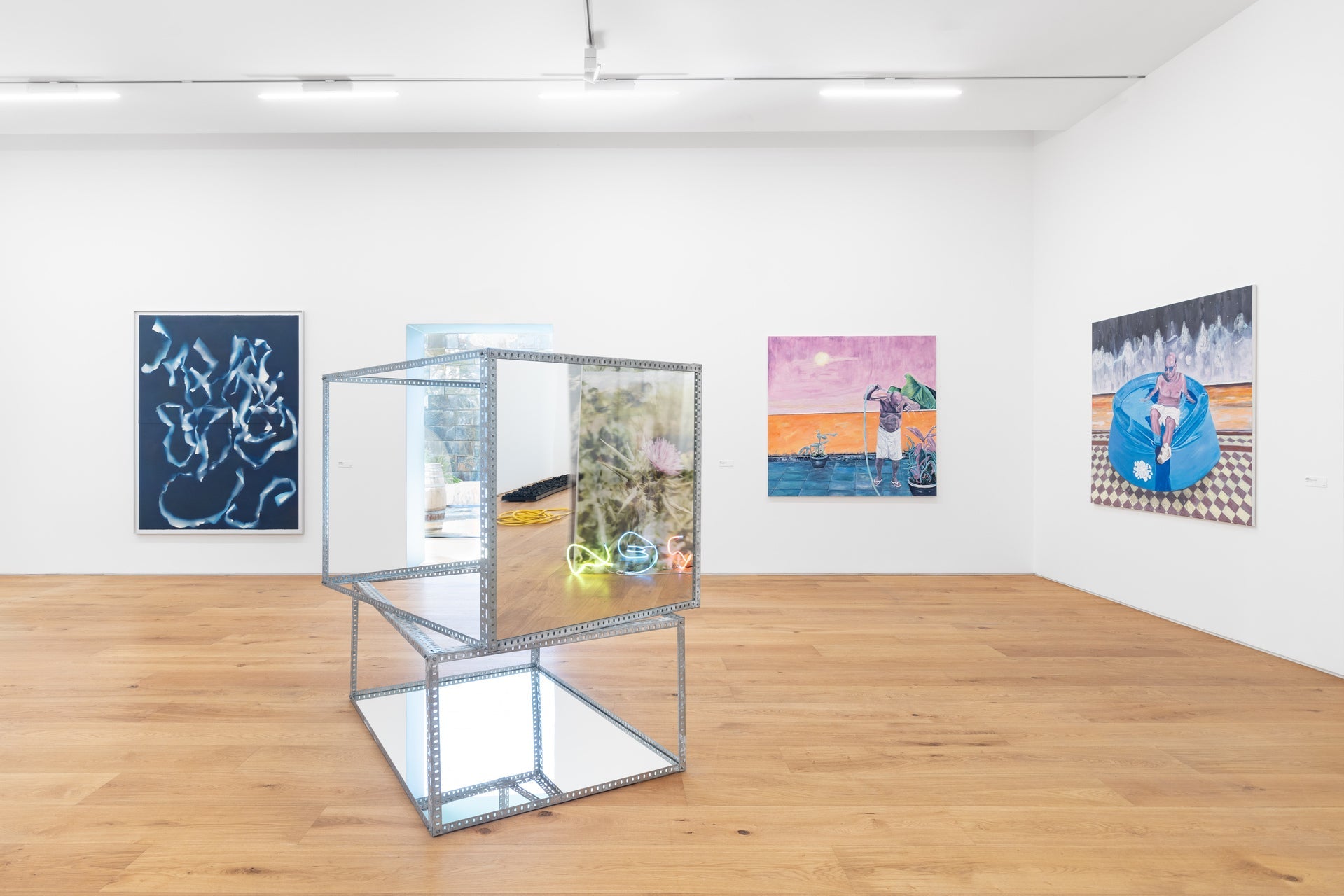
Like Barnas, Spinoza was deeply concerned with the conditions of self-expression and free speech – a concern that resonates throughout the exhibition, including in works such as >>A thousand windows<< to >>The world of the Insane<< by Anri Sala on the adjoining wall. The Speech emphasizes our power to speak up, but at the same time holds concern. Values considered radical in Spinoza’s time and later taken for granted – freedom of speech, of individual existence and identity, of religion – are again under pressure. Almost ten years after its original creation, The Speech has renewed urgency, with Trump as one of the most visible figures of an increasingly despotic political landscape.
The microphone rises to the level of your mouth, as if awaiting your response. Again, the voice insists: nothing is beyond our reach. You stand there, trying to compose an answer. Are you able? Poets and politicians may draw on the same rhetorical tools – but our messages may still remain beyond each other’s reach. We speak incessantly, across countless platforms. But are we still in conversation, or merely calling out into the void?