Speaking with one’s mouth full goes against one of the first rules of table manners we learn. Seemingly minor, this prohibition inscribes an order onto the body, determining when one may speak, under what conditions and from what position. By separating the mouth that eats from the mouth that speaks, it also separates need from discourse, body from thought, the intimacy of everyday life from the public dimension of collective life. And yet, it is not always food that fills the mouth, for it also fills with words tumbling over one another, with knowledge seeking a way through, with an enthusiasm that will not wait its turn. Taking this expression as a title means embracing transgression as a method and questioning the conditions under which one may take the floor.
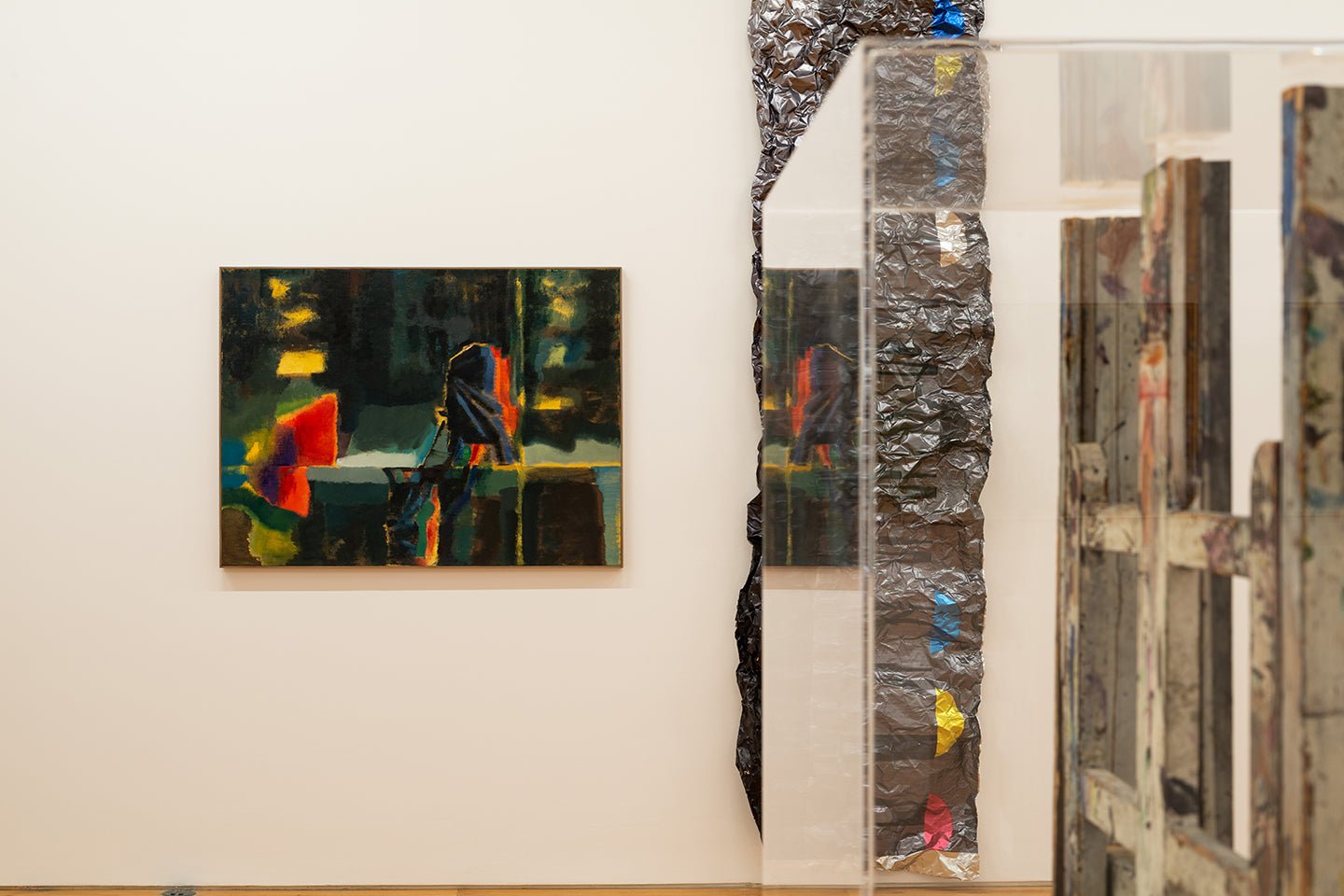
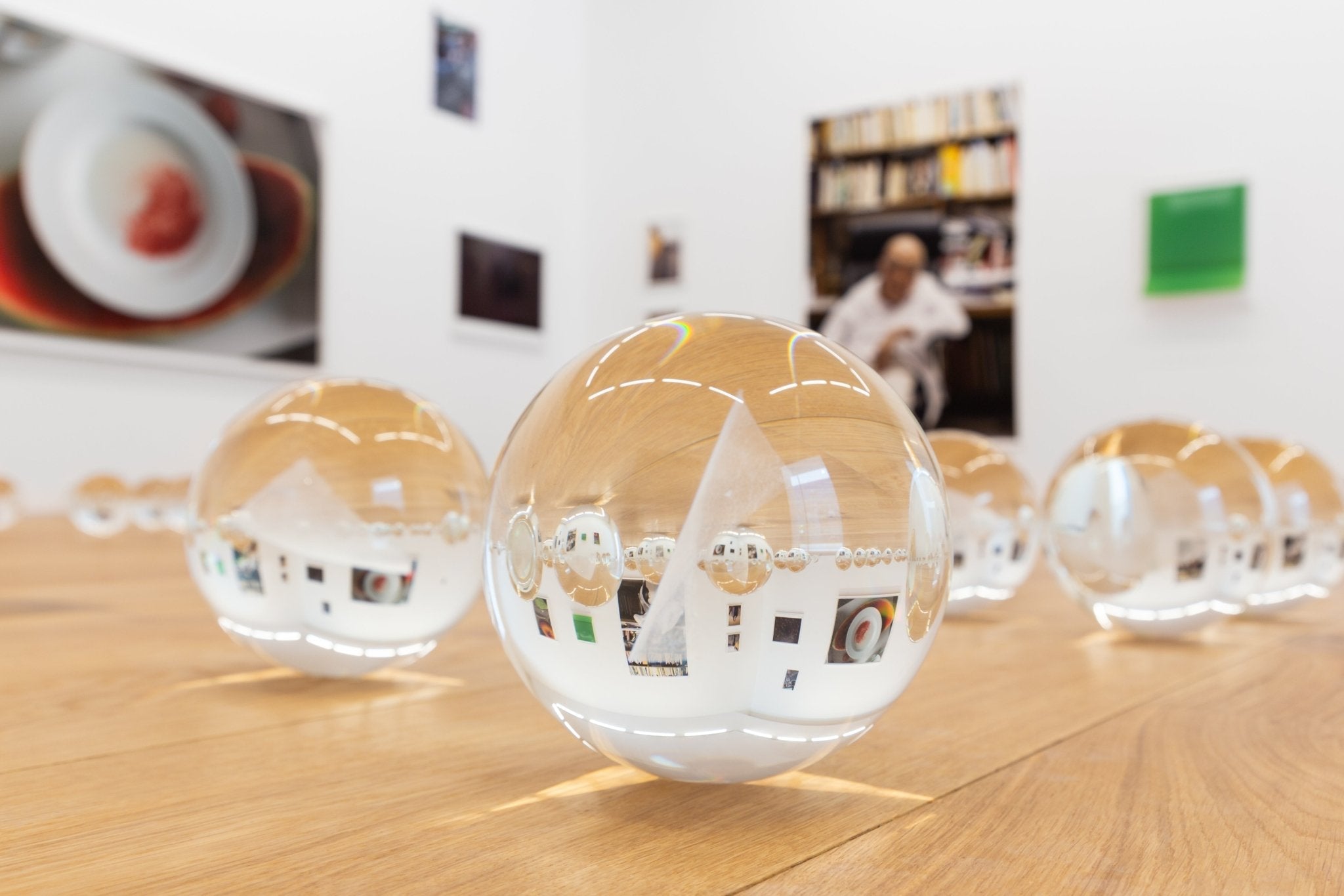
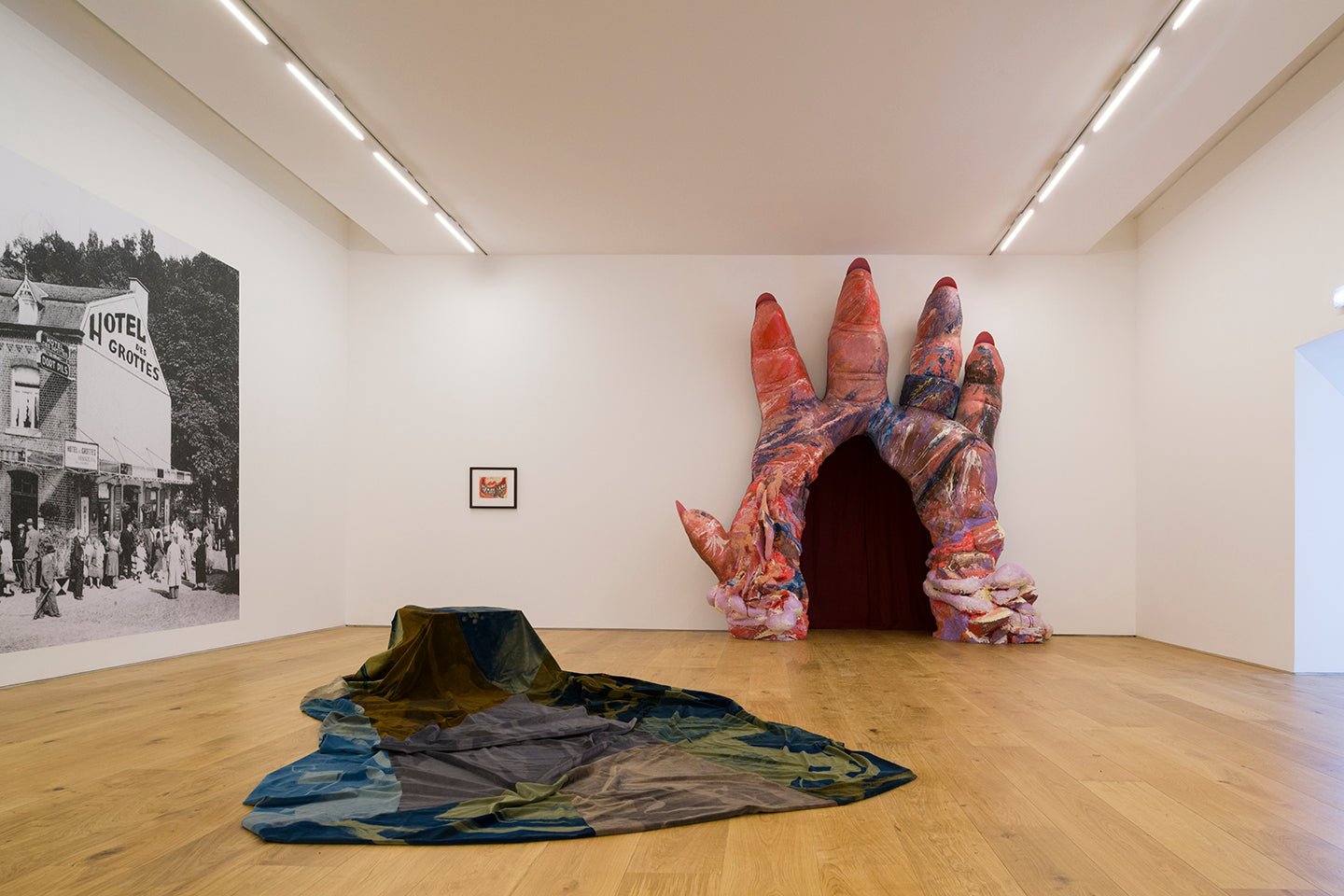
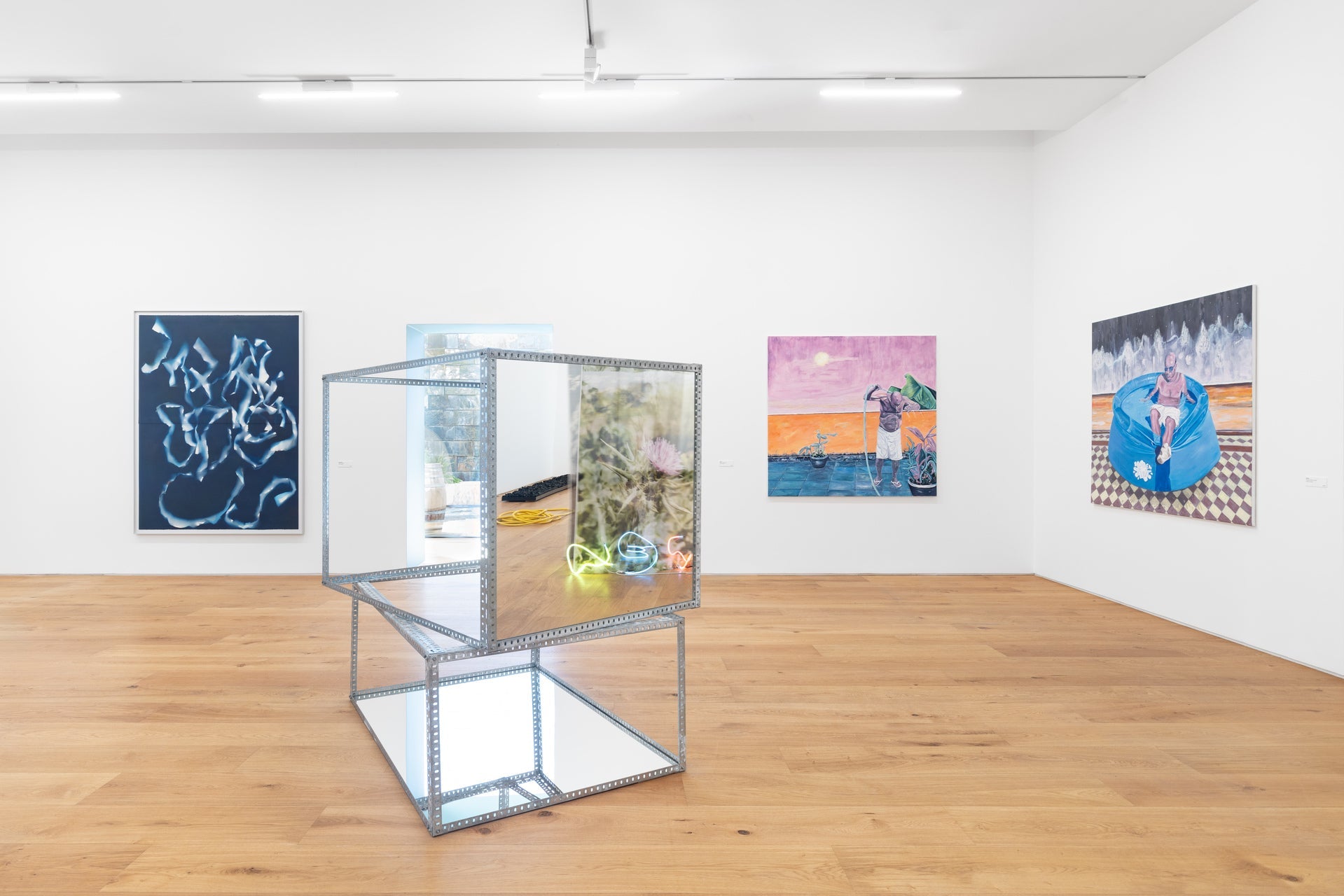
Curated by Ana Cristina Cachola and Miguel Mesquita, Speaking with Your Mouth Full accompanies the tenth anniversary celebrations of the Quetzal Art Center and unfolds around the river-shaped table conceived by Pedro Barateiro for the exhibition Truvadores. More than a representation, this sculpture evokes the table as a device for the circulation of words, knowledge and affects, whose river-like configuration refuses fixity and proposes a choreography of encounters. Inscribed within the world of the troubadour, a figure who brings together song, narrative and movement, it activates a performative dimension of orality, in which knowledge is built in passage and in relation.
The programme rests on four interdependent axes, which make the table a site for the collective production of knowledge, the negotiation of differences and the rehearsal of ways of being in common. Learning is understood as a situated, non-hierarchical practice, in which knowledge circulates between bodies, experiences and disciplines; sharing shifts it into a relational and collective field; diplomacy emerges as an aesthetic and ethical practice of negotiation, translation and care. Conviviality, finally, asserts itself as a methodology, grounded in co-presence, duration and the structured informality of the encounter.
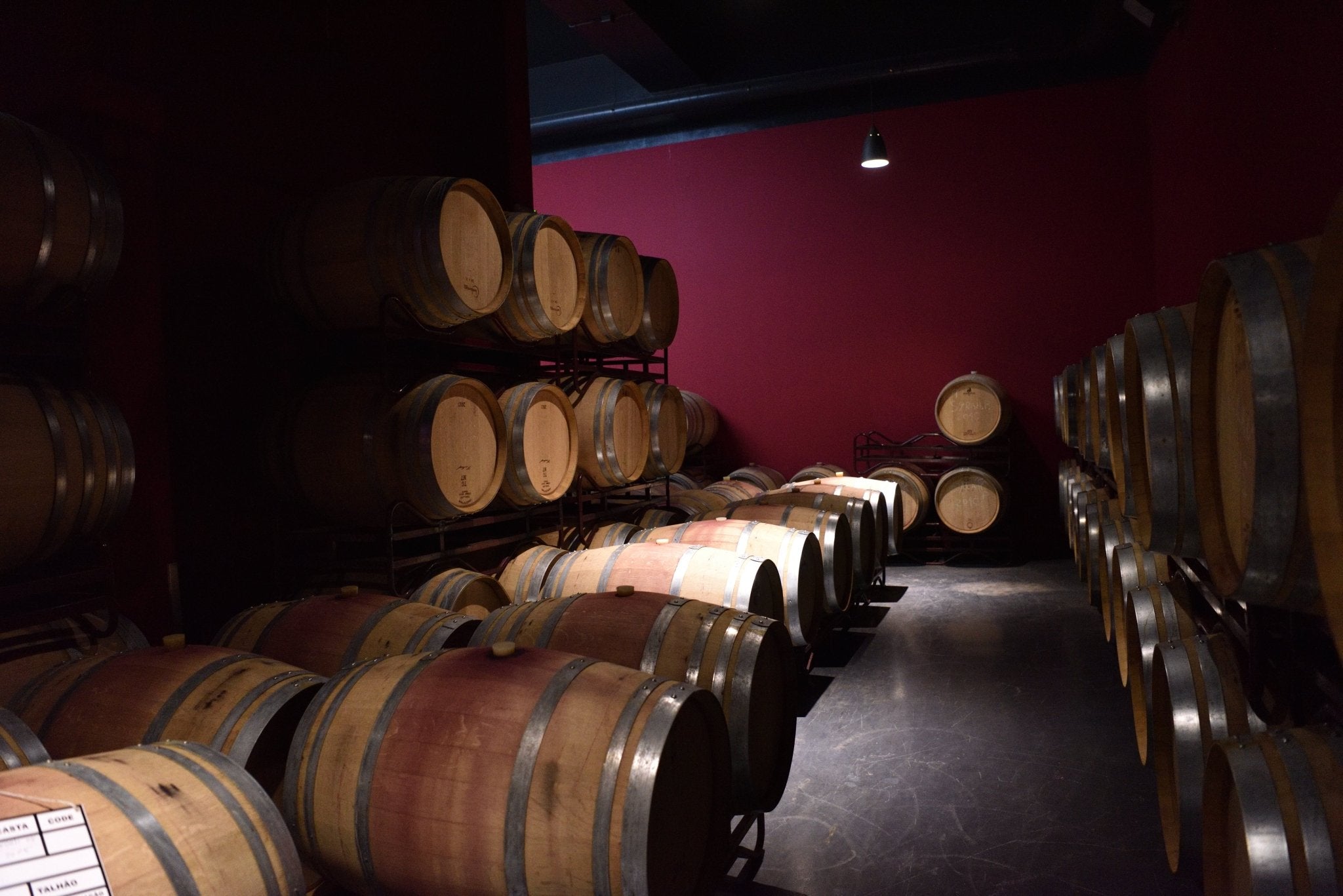
Thought from the table, conviviality is inseparable from commensality, the act of eating together as a social practice that organises collective life. By bringing together the exhibition and gastronomic dimensions of the Quetzal Art Center, in collaboration with chef João Mourato, the programme draws artistic and culinary practices closer together. It is at the table, while eating, that the norm tells speech to wait. When shared, eating becomes a form of sociability and cultural transmission, through which products, recipes and ways of doing rooted in the territory circulate.
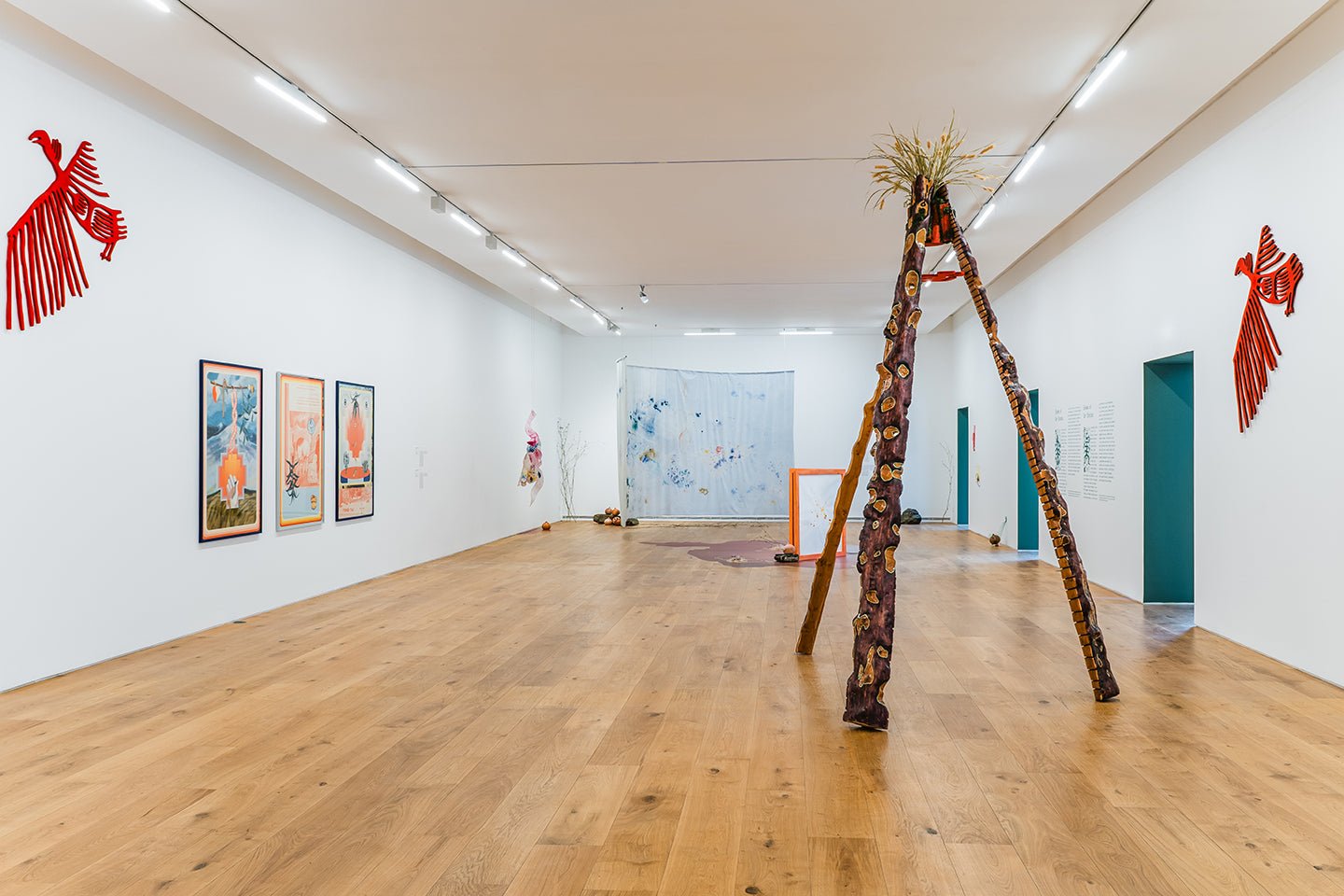
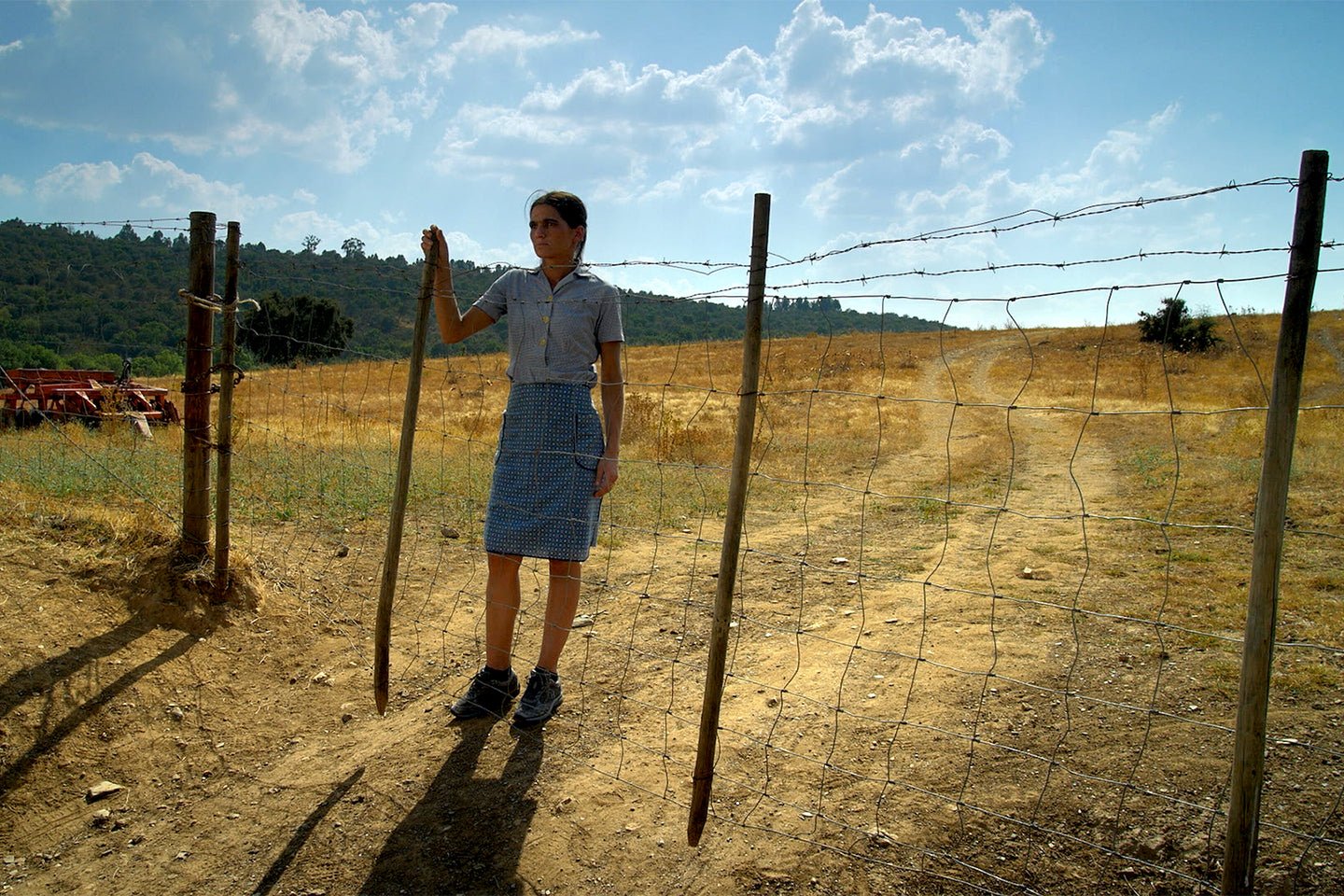
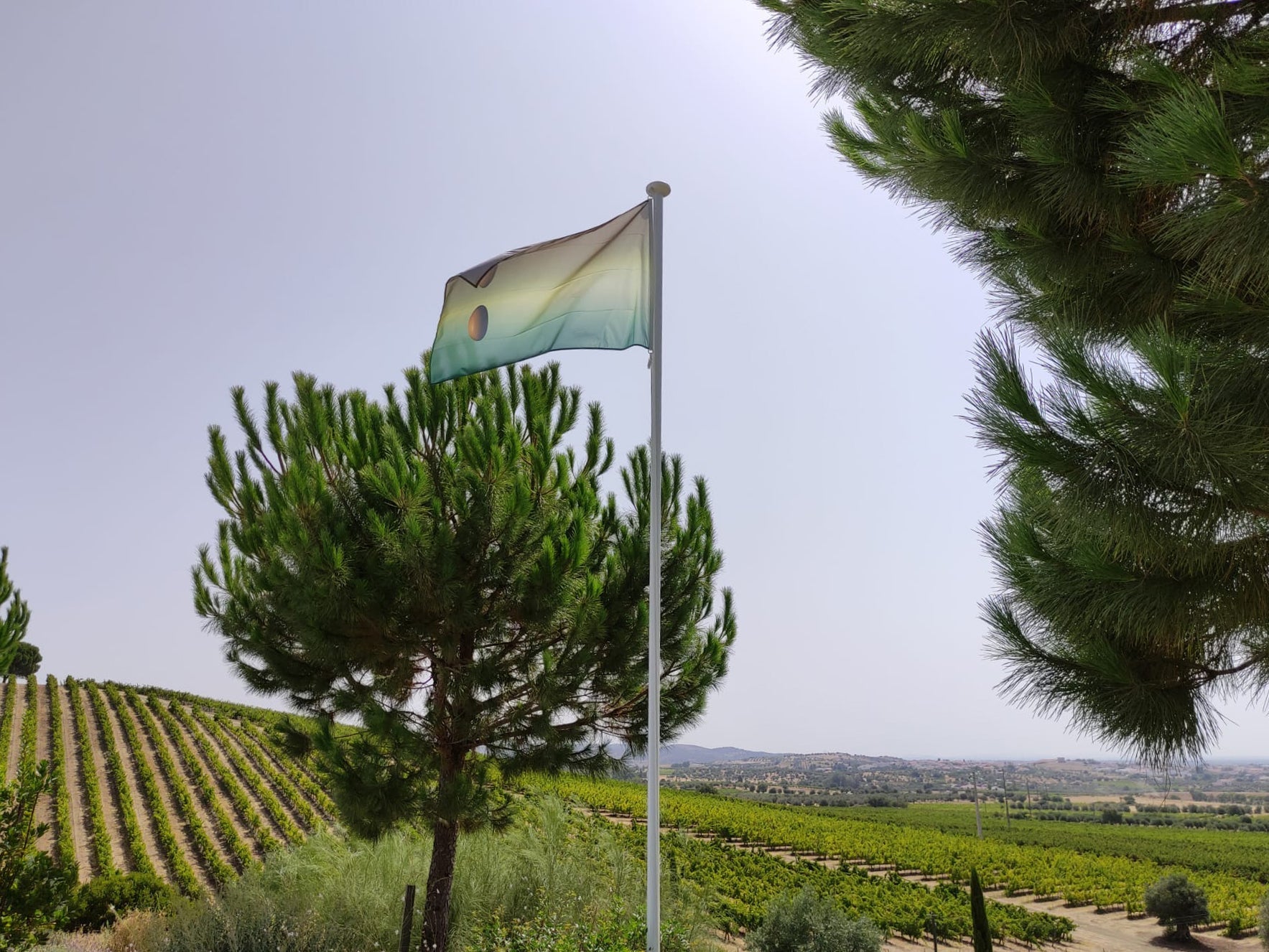
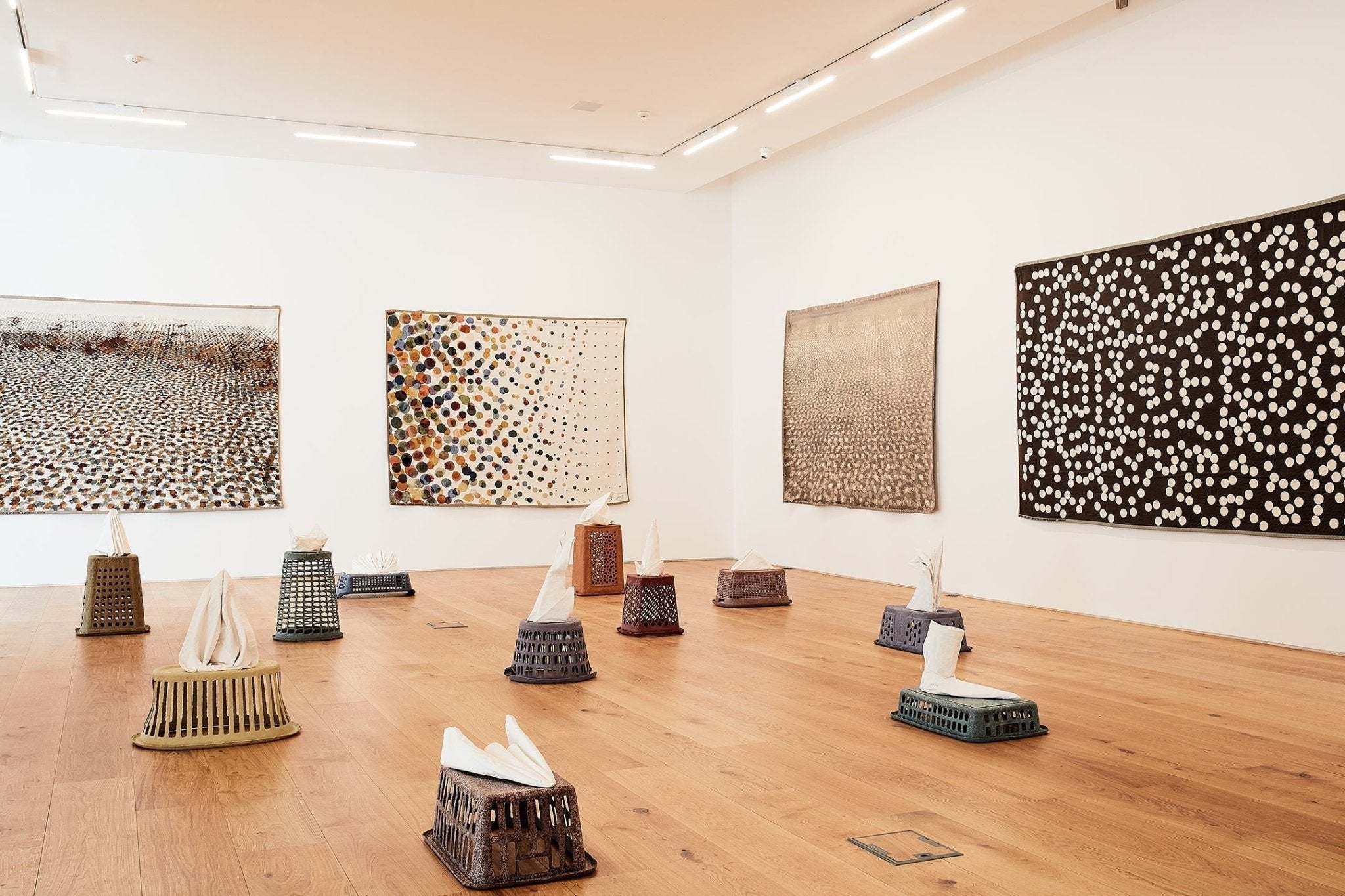
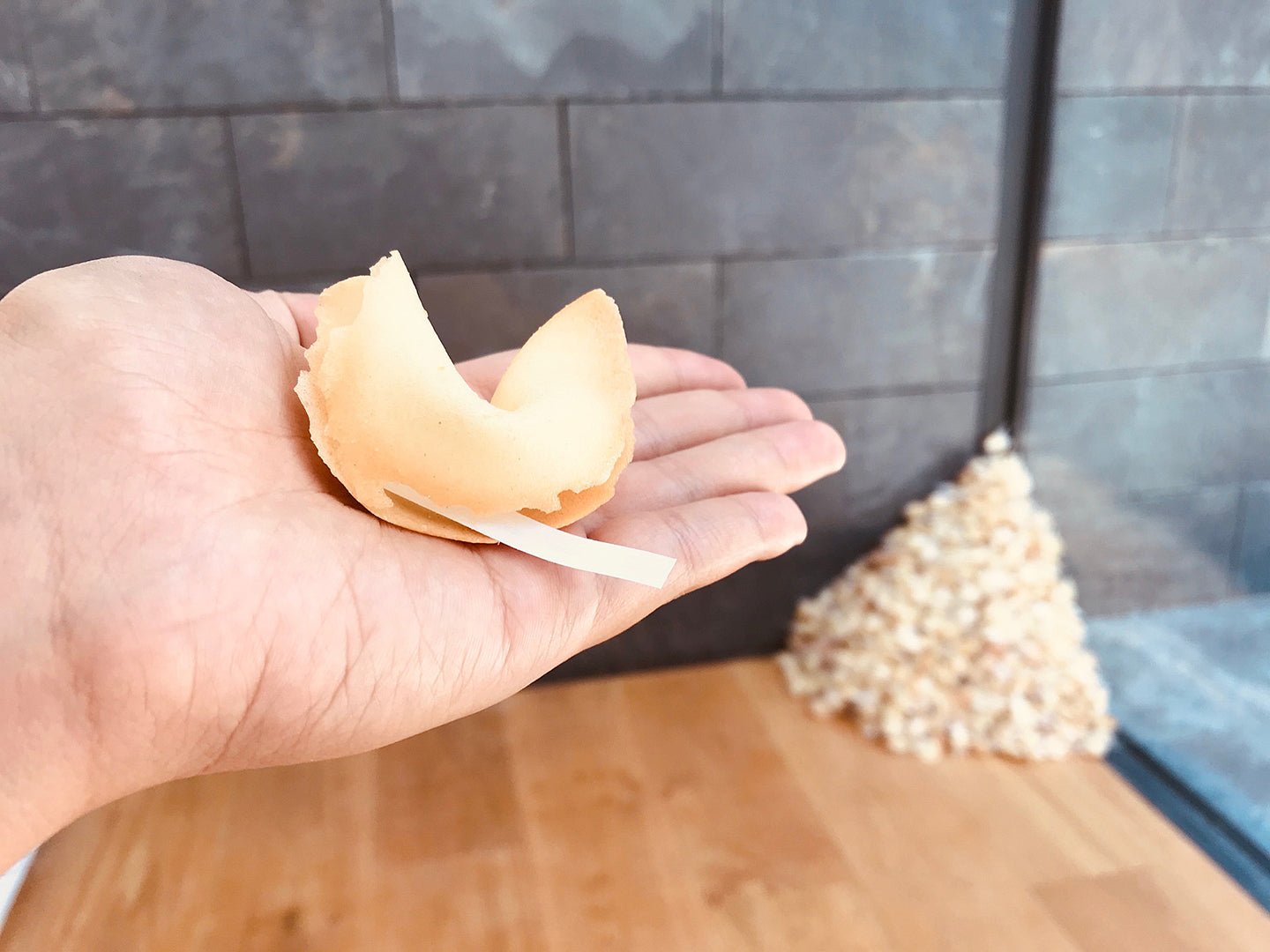
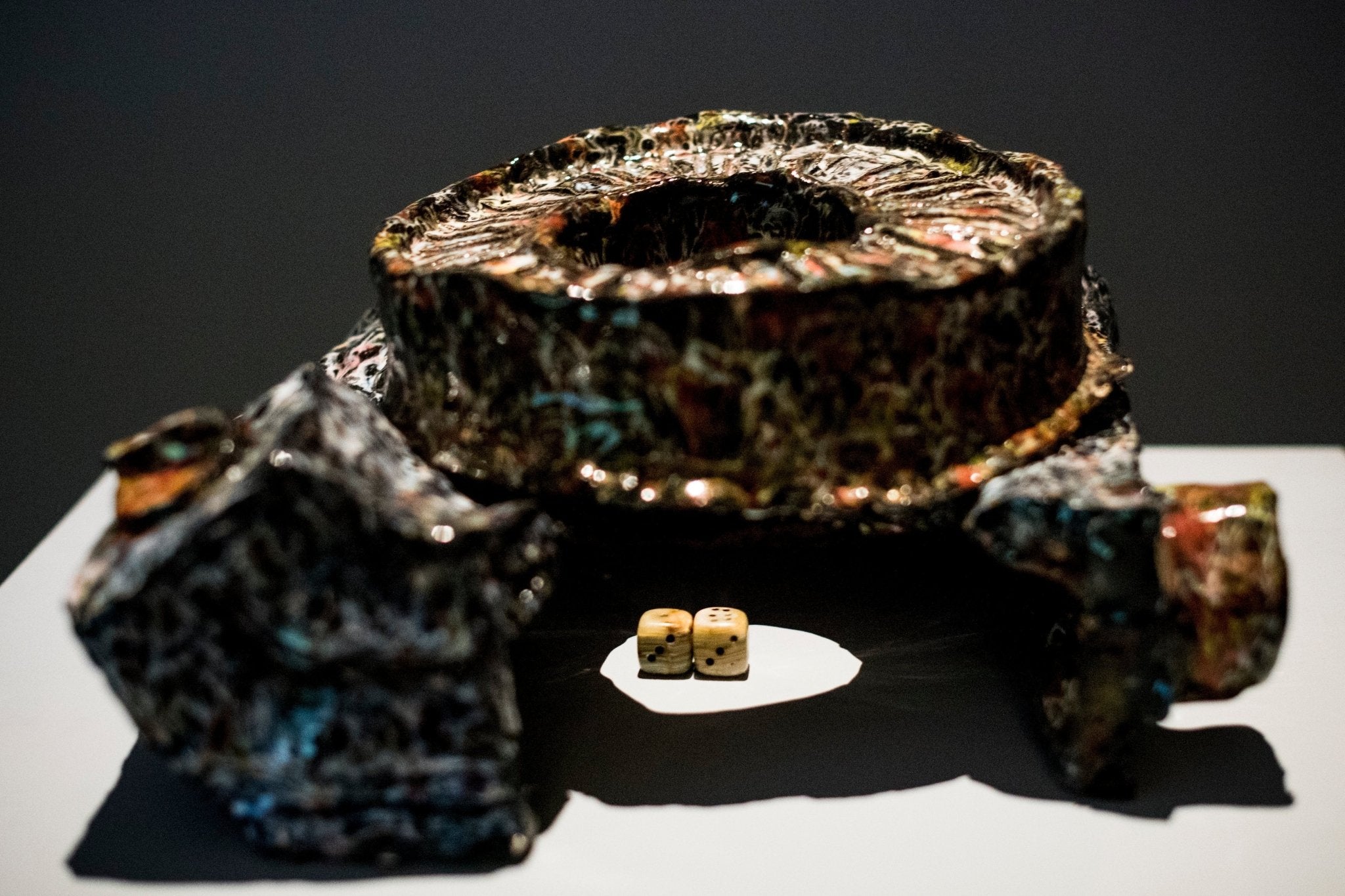
It is from this relationship between eating and speaking that the artistic proposals depart, rehearsing, from distinct practices, ways of occupying the table and of reconfiguring what is said, done and shared there. UMCOLETIVO seeks out, in the Vidigueira region, the voices of women whom literary history has left at the margins, recognising as authorship what has been passed on orally and in everyday life, and returning it to the community. João Rolaça also turns to the territory, starting from the soil of Quinta do Quetzal for the collective creation of ceramic objects connected to food, retracing the path that leads from the ground to the table and recognising in clay a material that bears the labour and gestures of those who shape it. With Gisela Casimiro and Filipa da Rocha Nunes, the literary word meets the meal and reading becomes a shared gesture; in Filipa’s collaboration with João Mourato, food becomes a language in its own right, extending Natália Correia’s notion that poetry is for eating. The Institute of Radical Imagination opens the table to diplomacy, rehearsing forms of governance and coexistence between the local and the transnational. Mariana Camacho moves through several of these moments as a contemporary troubadour, critically revisiting the traditional songbook to read the past and rethink the present, and making listening and joint creation a way of building a common reading. These contributions are recorded in a graphic project by Ana Luísa Bouza that takes shape through what is left on the table and what is taken from it.
Between the everyday gesture of eating and the political gesture of speaking, Speaking with Your Mouth Full claims the possibility of thinking together, without separating word from body, knowledge from experience, or reflection from everyday life. It thus proposes the table as a place for experimenting with other forms of living together, learning and collective construction.
This project is supported by DGArtes.