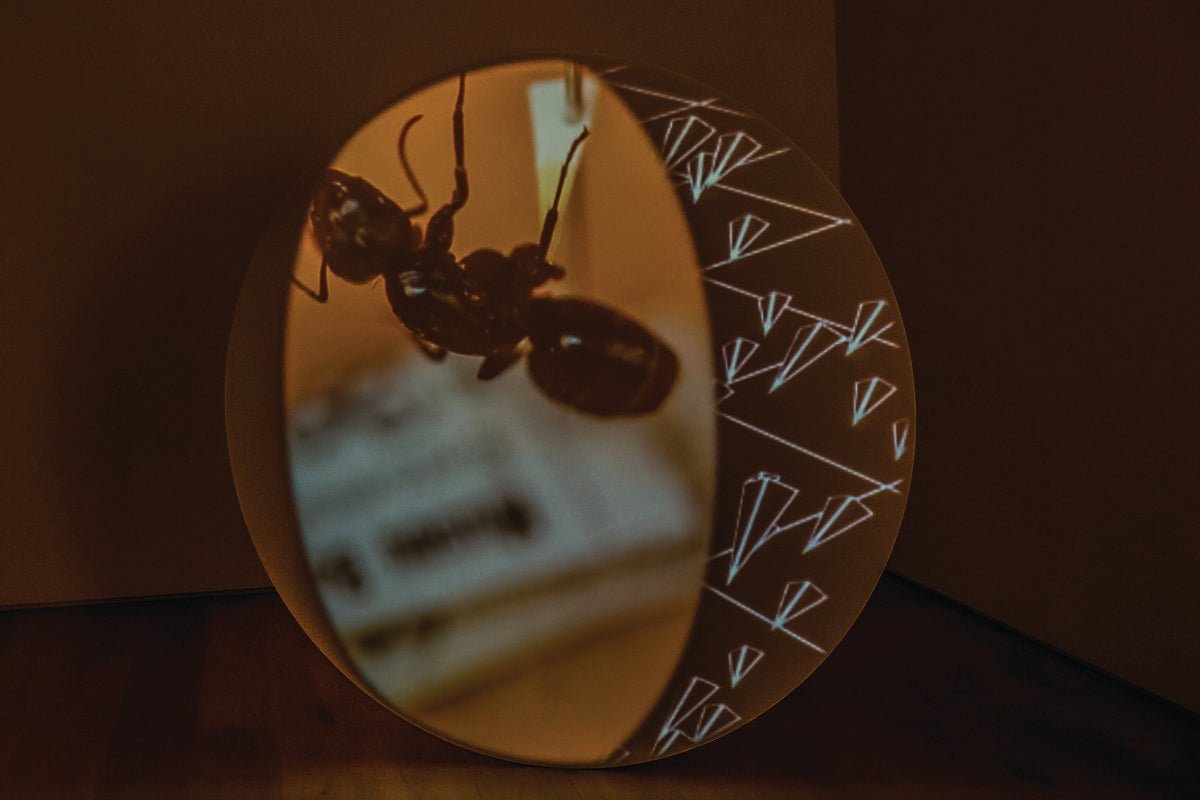
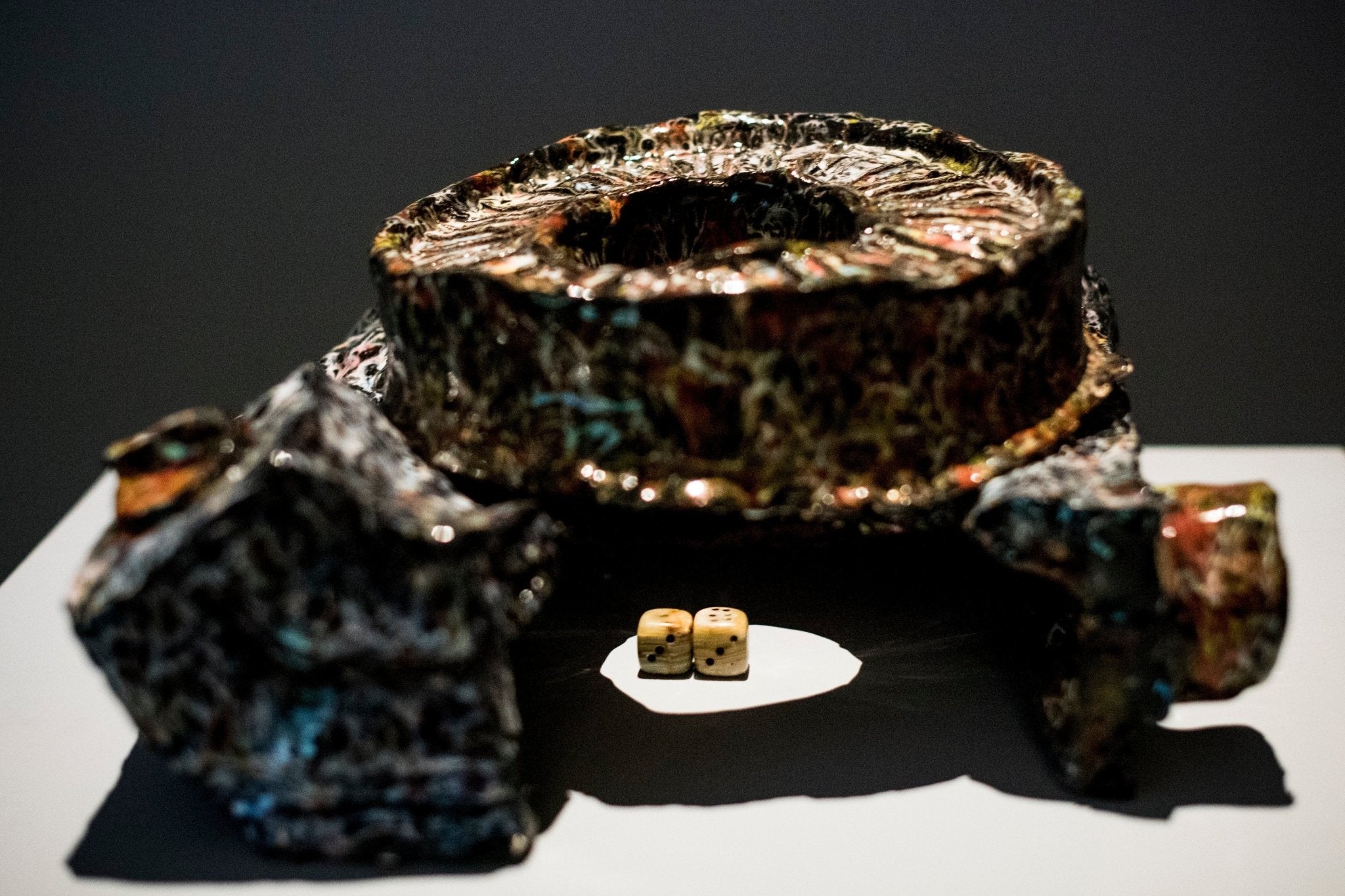
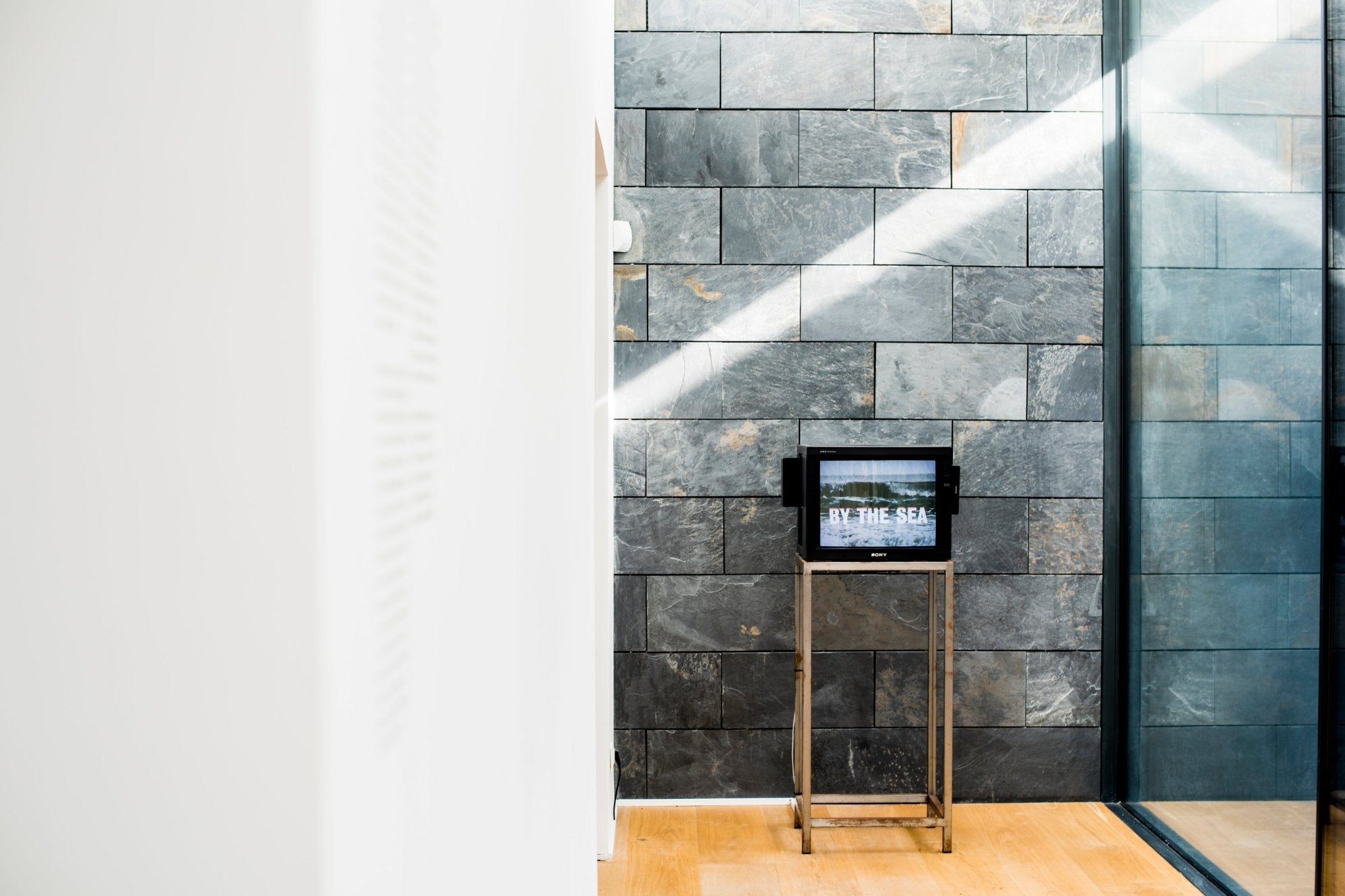
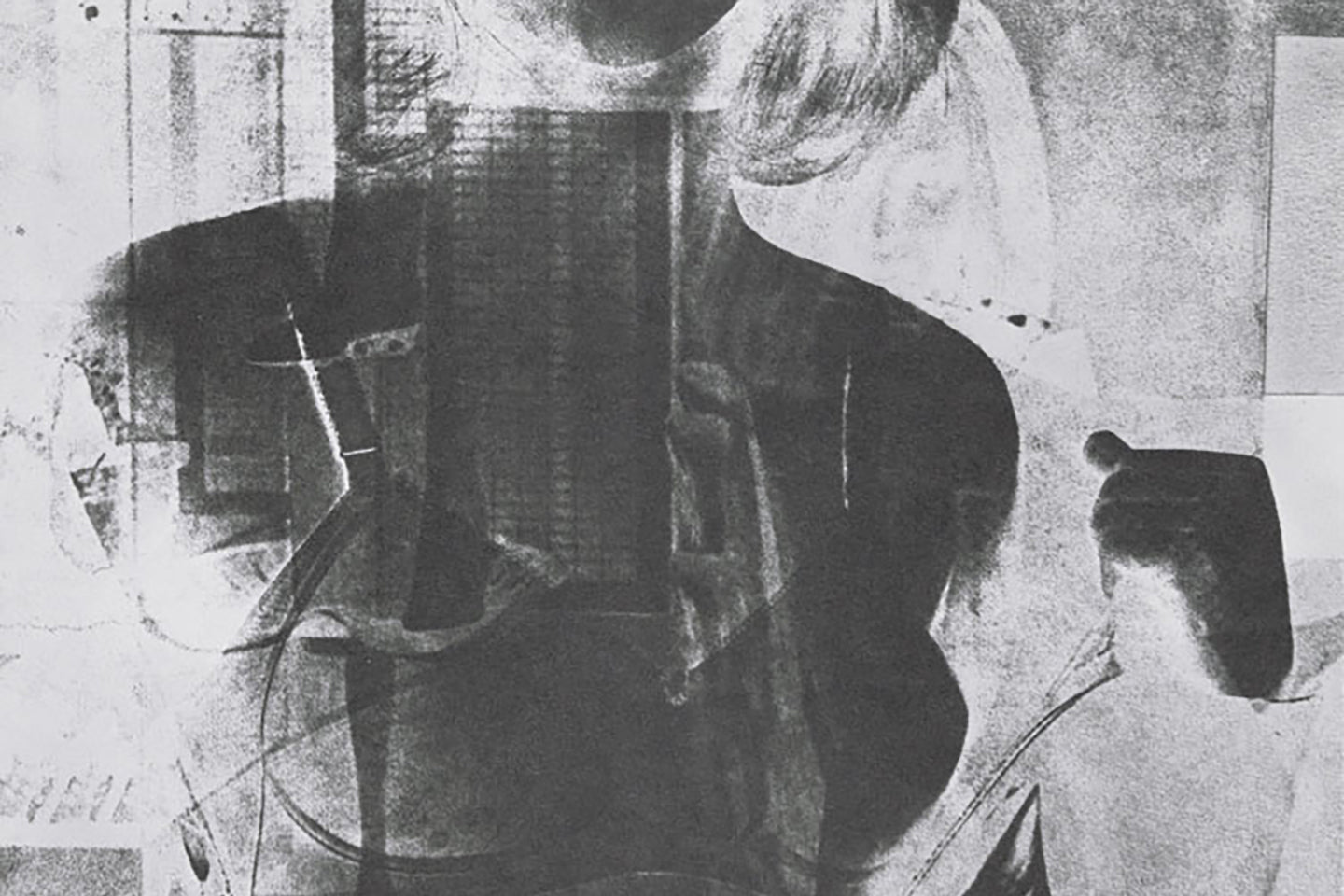
Pedro Barateiro (n. 1979, Almada, Portugal) tem desenvolvido uma prática interdisciplinar que abrange desenho, filme, escultura, performance e publicação. O seu trabalho investiga frequentemente a forma como as narrativas culturais, os imaginários políticos e a memória histórica são construídos, transmitidos e transformados ao longo do tempo. Através de formas poéticas e especulativas de contar histórias, Barateiro cria espaços onde as histórias pessoais e coletivas se cruzam, questionando sistemas de conhecimento estabelecidos e propondo, simultaneamente, formas alternativas de compreender o passado e imaginar o futuro. Em Truvadores, estas preocupações de longa data convergem na figura do trovador enquanto portador de memória, conhecimento e intercâmbio cultural entre territórios e gerações.
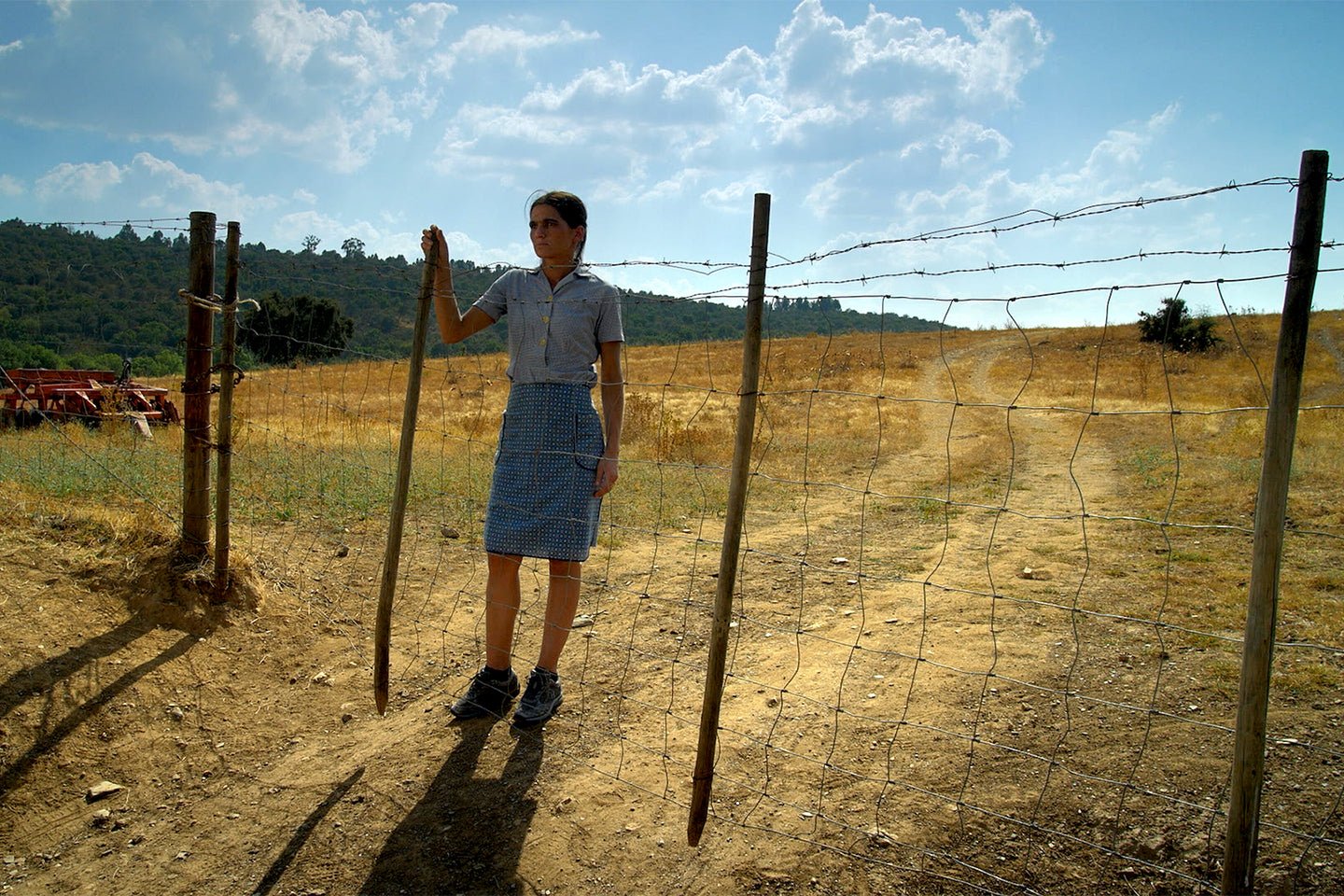
A figura do trovador encontra-se num estado de metamorfose contínua: por vezes humano, animal ou vegetal, percorre paisagens em transformação, atravessando geografias reais e imaginadas. Ao longo do caminho, histórias, sons e imagens são recolhidos e transformados em matéria poética. O resultado é um atlas sensorial, no qual as árvores conversam, os navios cantam e o próprio território emerge como interlocutor.
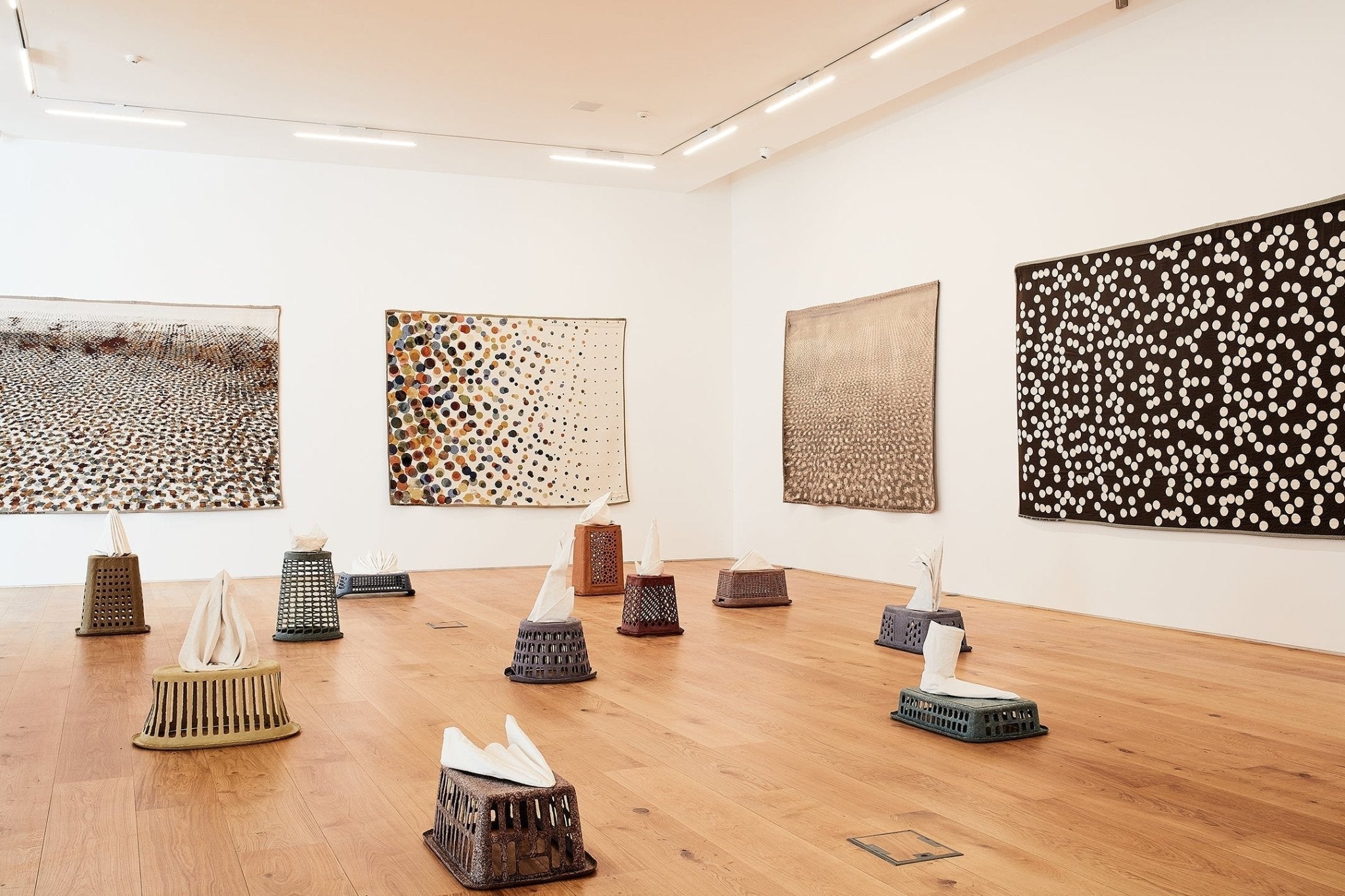
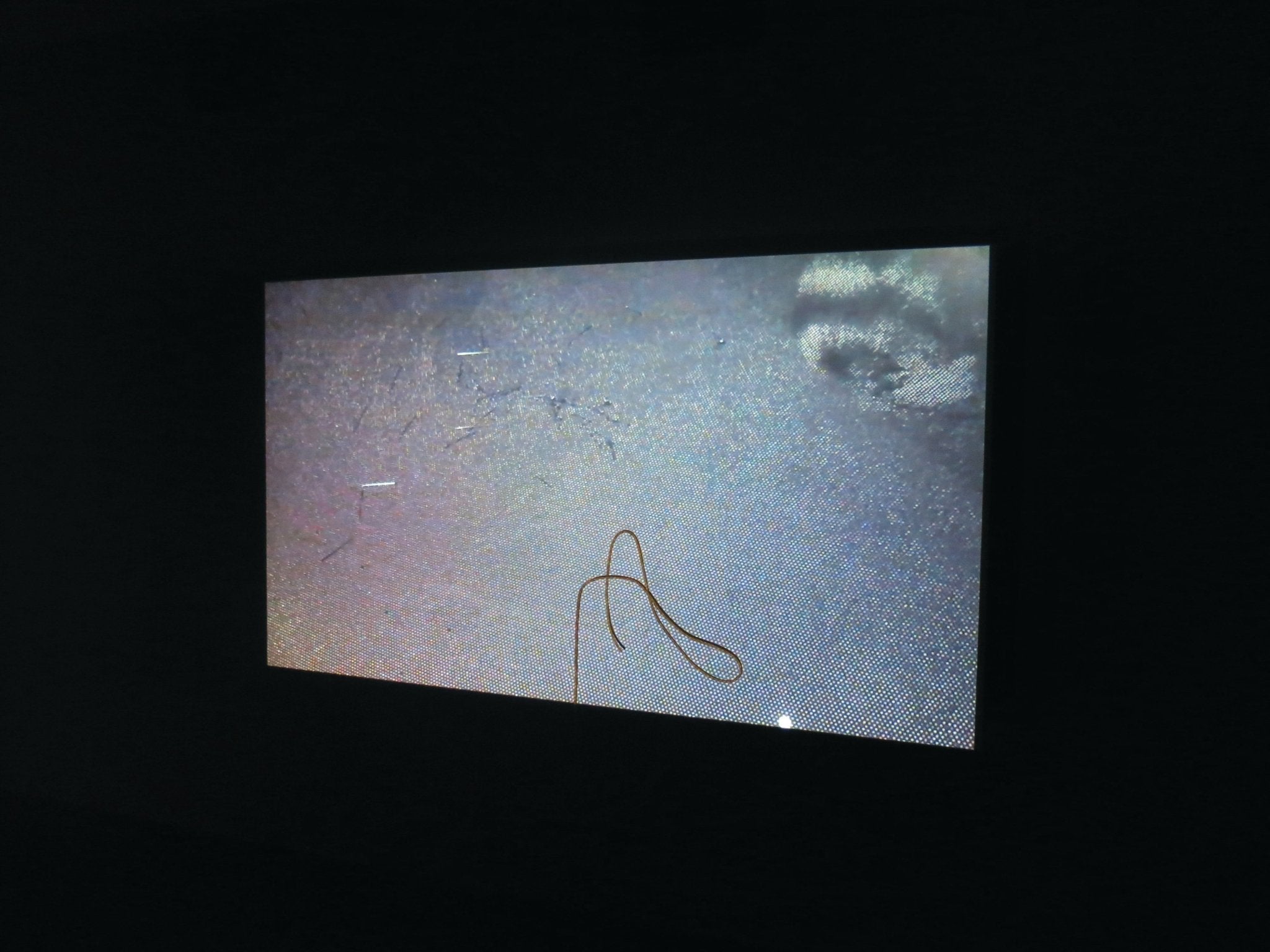
A exposição apresenta o capítulo inaugural do novo filme de animação de Barateiro, acompanhado por uma série de desenhos de grande escala que estabelecem um diálogo com a paisagem envolvente. Com início no Alentejo, onde a própria história de Lusitano tem origem, este primeiro capítulo inaugura uma viagem que continuará a desenrolar-se através de diferentes lugares, vozes e comunidades.
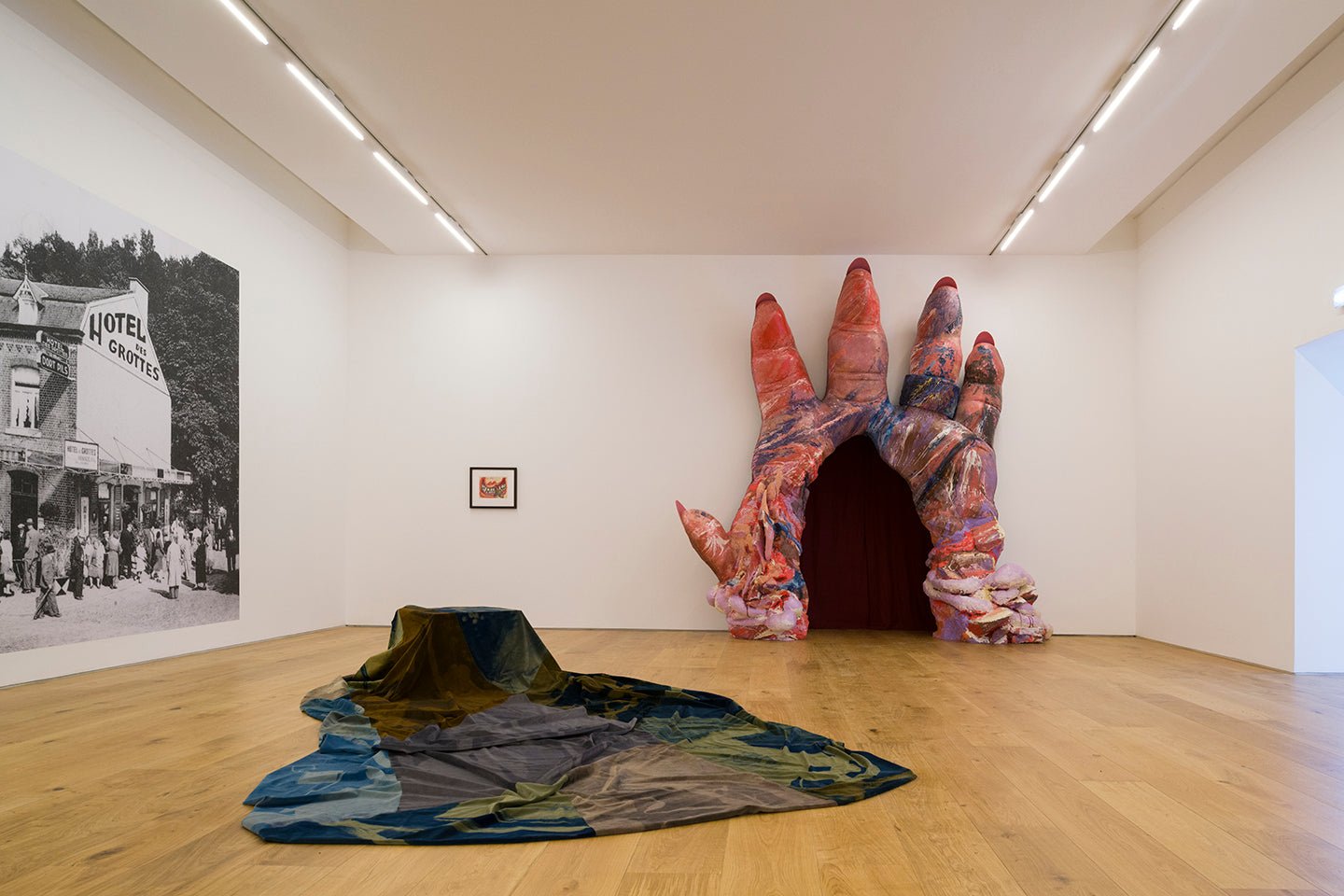
O projeto recorre também à Mão Guidoniana de Lusitano, um sistema histórico utilizado para o ensino e a transmissão da música. Para Barateiro, a mão torna-se um símbolo de transmissão e ligação, um gesto através do qual conhecimento, memória e experiência passam de uma pessoa para outra. Serve também como ponto de partida para uma reflexão sobre as dimensões sociais e políticas da ação coletiva e do intercâmbio cultural.
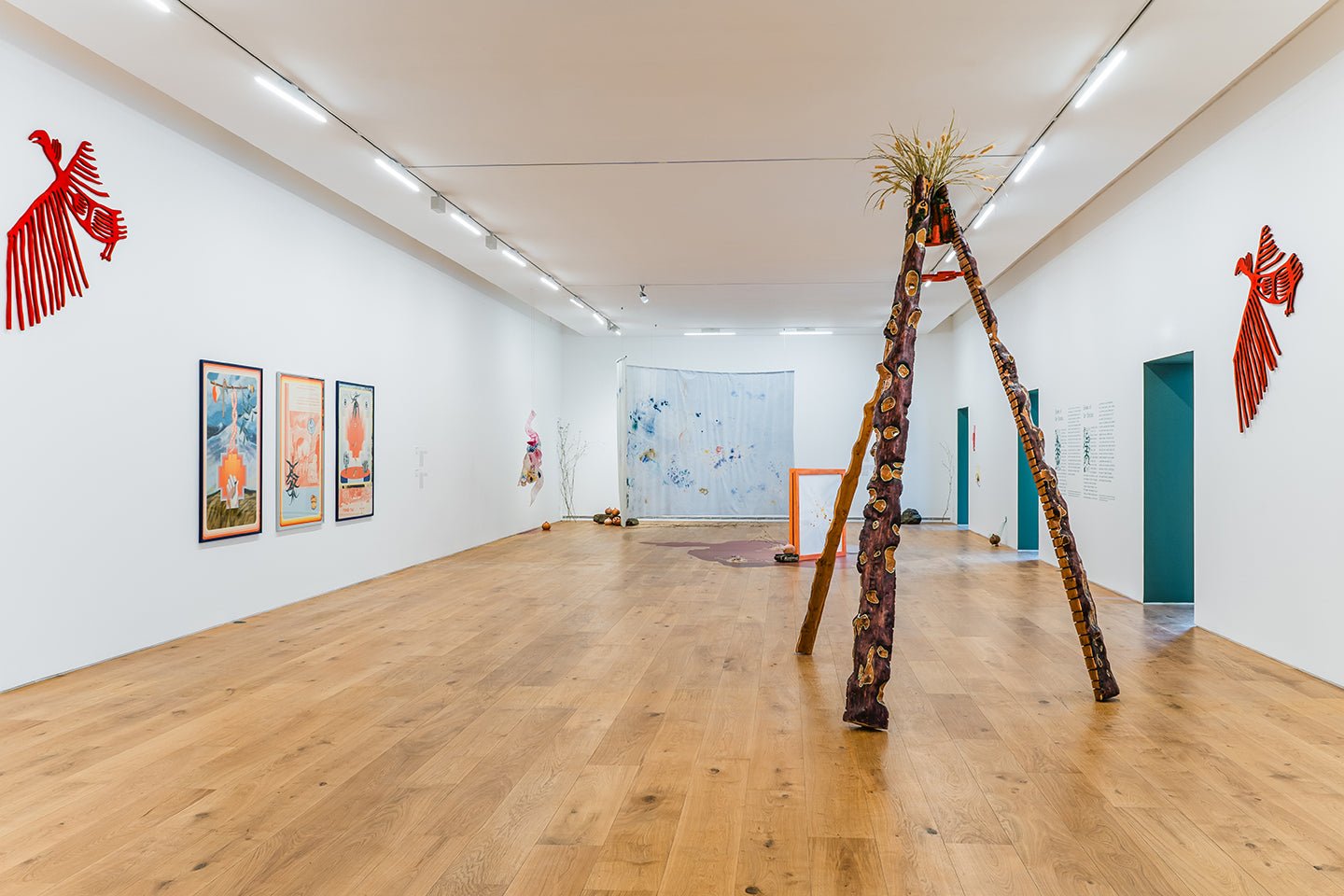
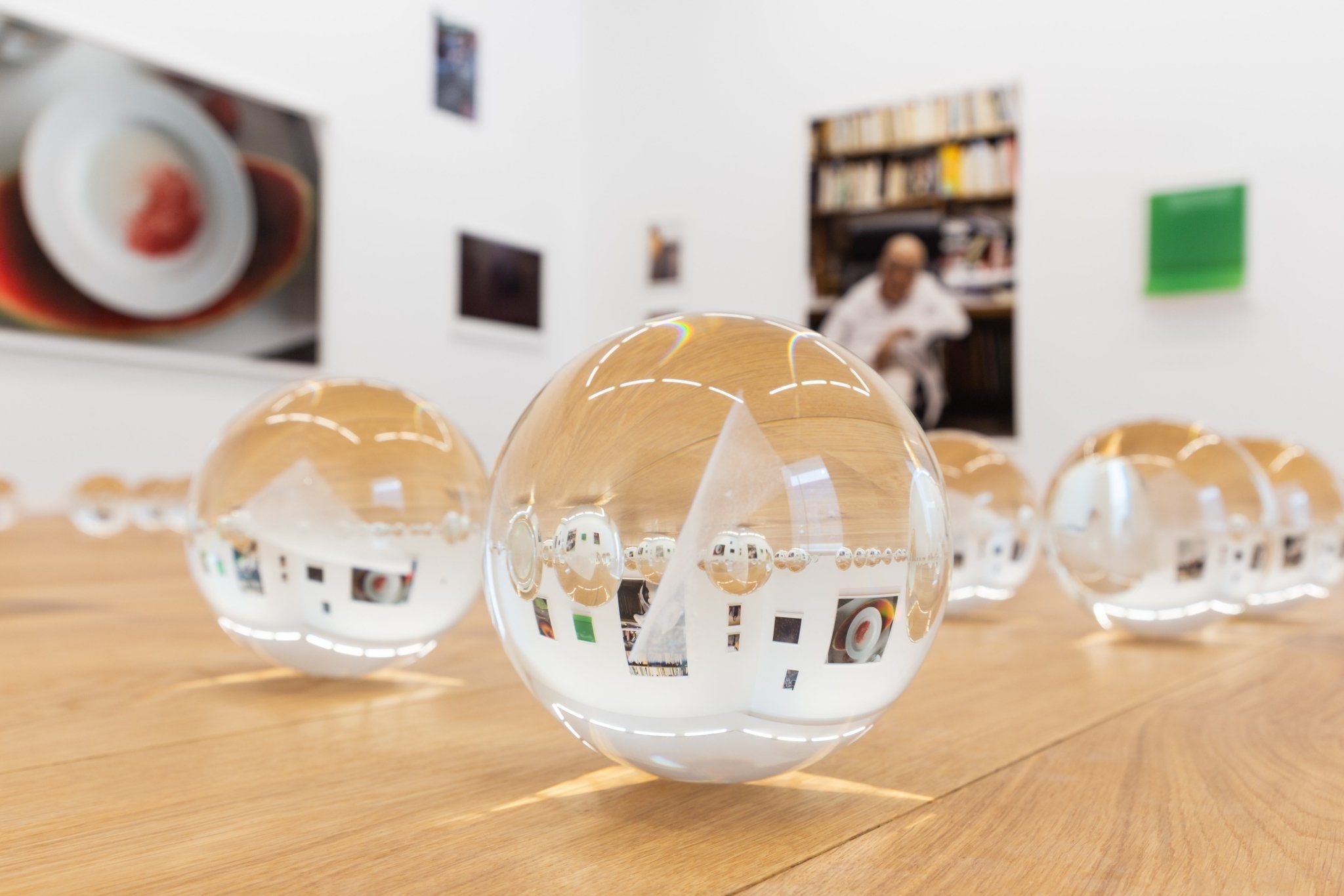
A exposição estrutura-se em torno de formas de encontro e intercâmbio. Uma longa mesa, com a forma de um rio, atravessa o espaço enquanto lugar de conversa, hospitalidade e reflexão coletiva. Neste sentido, Truvadores não se limita a contar uma história de viagem; cria as condições para o encontro. A cultura surge aqui como algo partilhado, transmitido e continuamente reformulado através do diálogo.
Assinalando simultaneamente um primeiro capítulo do projeto e o décimo aniversário do Quetzal Art Center, a exposição celebra as viagens que moldaram a instituição ao longo da última década, enquanto olha para aquelas que estão ainda por vir. À semelhança do próprio trovador, Truvadores convida-nos a abrandar o passo, a escutar atentamente e a imaginar novas formas de nos relacionarmos uns com os outros através das histórias, da memória e da experiência partilhada. Através da recuperação de histórias e vozes esquecidas, o projeto abre um espaço para a empatia, a reflexão crítica e a reconciliação cultural.